


Blepharoplasty (Eyelid Surgery)
Restore youthful, refreshed eyes with expert eyelid surgery at CWFPS
What Is Blepharoplasty?
Excess, drooping, or bulging eyelids are a common concern that can make the eyes look tired or aged. These changes may result from aging, genetics, or environmental factors such as sun exposure and smoking. Regardless of the cause, eyelid surgery (blepharoplasty) provides a powerful, long-lasting solution for natural, refreshed eyes that reflect your vitality.
Blepharoplasty, also known as eyelid surgery, addresses excess skin, fat, and muscle in the upper and lower eyelids. Unlike non-surgical treatments, which have limited effect, blepharoplasty provides lasting and noticeable rejuvenation.
Upper Eyelid Blepharoplasty
- Performed through an incision just above the natural crease of the eyelid
- Excess skin is removed, and underlying muscle and fat are addressed
- A tiny stitch closes the incision, usually removed after one week
- Can be performed in-office with local anesthesia
Lower Eyelid Blepharoplasty
- Performed through a transcutaneous incision (through the skin) or transconjunctival incision (inside the lower eyelid)
- Addresses bulging fat and excess skin
- Depending on the approach, may require sedation in the operating room or can be done awake for minor procedures such as a skin pinch
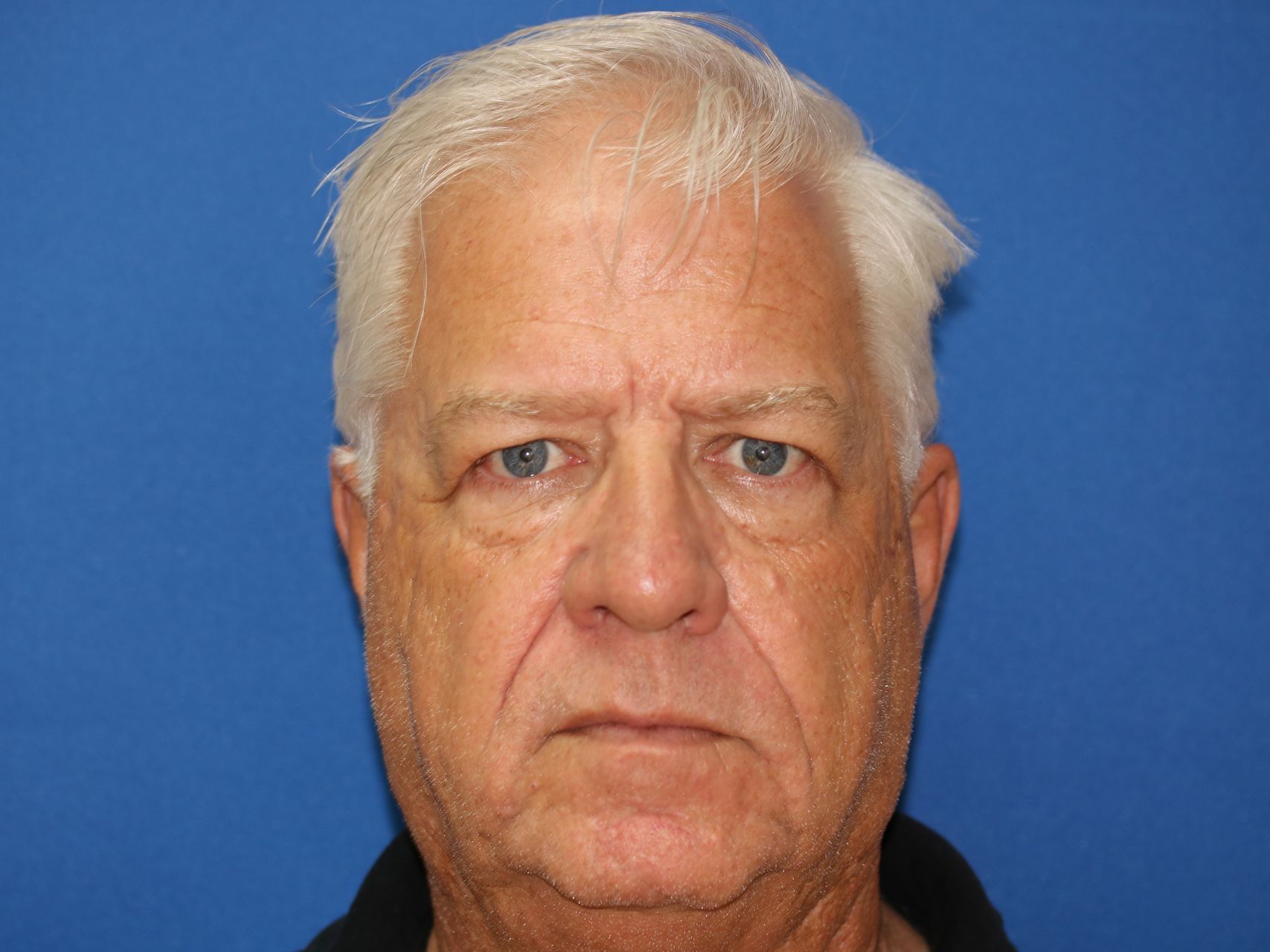
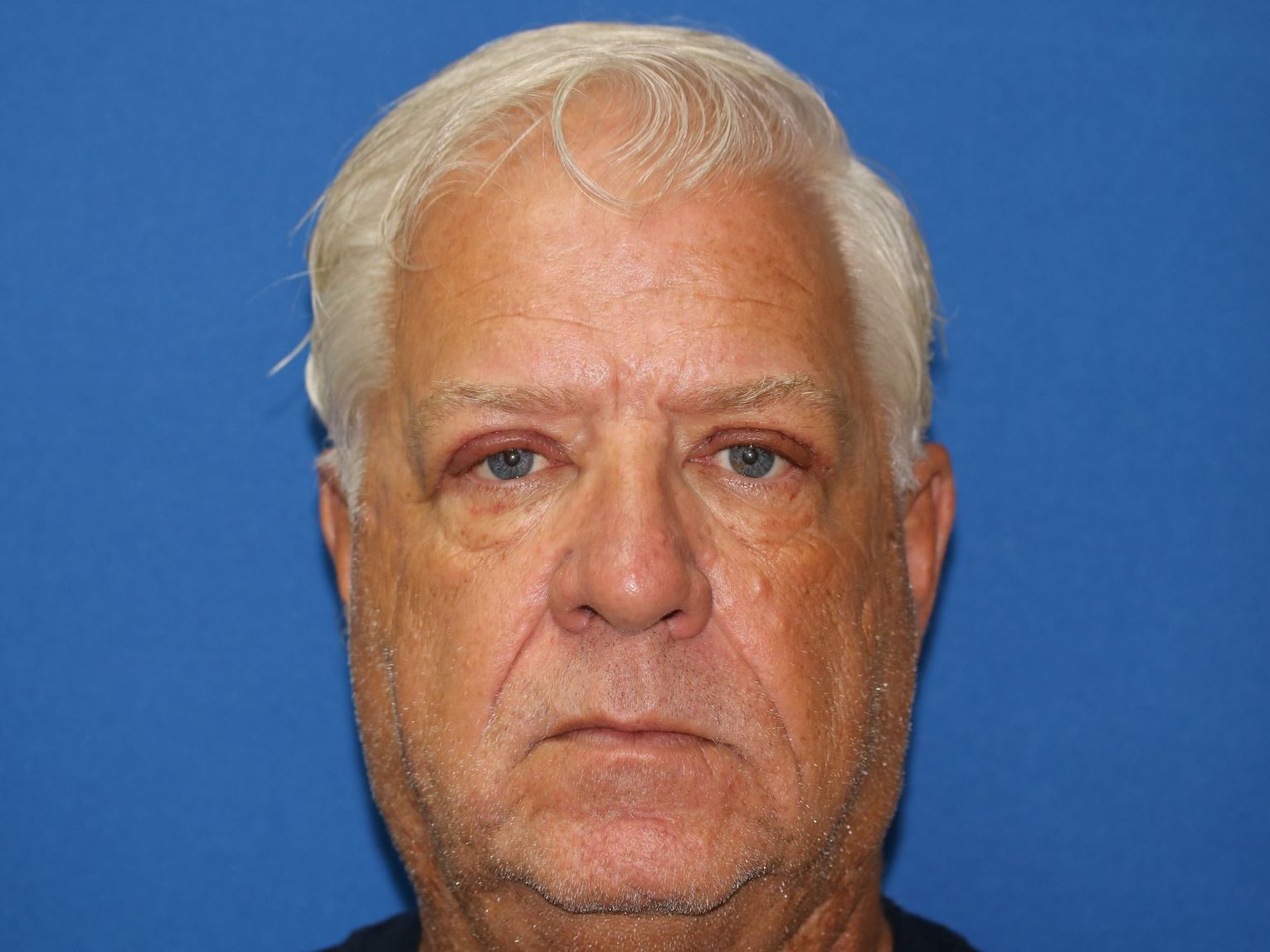
58 year old man who underwent bilateral upper blepharoplasty in office under local anesthesia. Photos were taken at the first follow-up visit only a few days post-op, redness will fade.
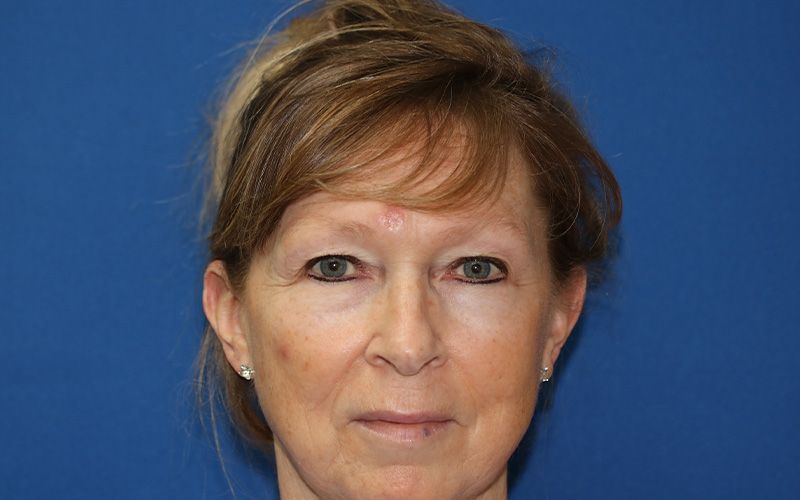
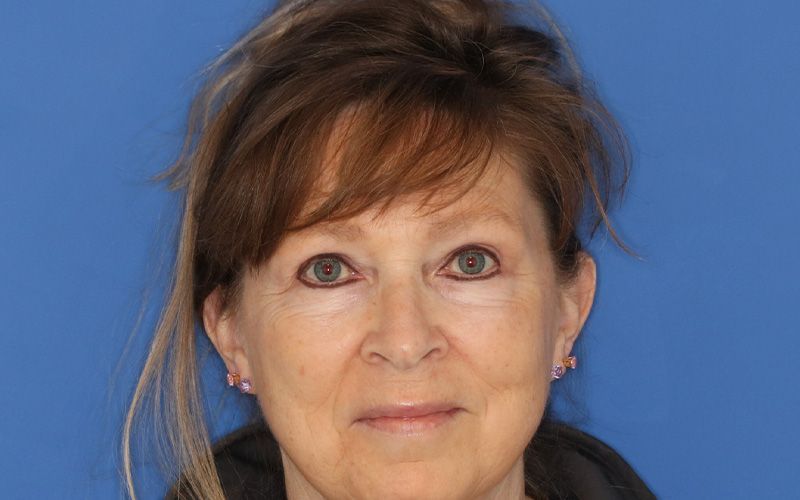
61 year old female underwent bilateral upper blepharoplasty in office under local anesthesia.
Who Is a Good Candidate for Blepharoplasty?
You may be a candidate for blepharoplasty (eyelid surgery) if you:
- Are in good overall health
- Avoid nicotine for at least one month before and after surgery
- Have not recently had other eye surgery
- Do not have moderate to severe dry eye
- Do not have eyelid ptosis as the primary cause of drooping
- Have realistic expectations for outcomes
Blepharoplasty Recovery Timeline
First Few Days
- Return home or to a hotel; hospitalization is not required
- Apply cool packs to reduce swelling
- Gentle walking encouraged to promote circulation
- Follow wound care instructions carefully
- Sleep on your back with head elevated
- Swelling and bruising peak around day 3–4, then gradually improve
Days 7–14
- Stitches (if present) are removed
- Swelling and bruising decrease significantly
- Light activity and walking can continue
- Eyes begin to look more natural and refreshed
Weeks 2–4
- Light to moderate exercise can resume
- Most swelling has resolved
- Social activities can usually resume by week 2 or 3
Frequently Asked Questions About Blepharoplasty (Eyelid Surgery)
What is the cost of blepharoplasty (eyelid surgery)?
A full price list of procedures is available here.
What kind of anesthesia is used?
Upper blepharoplasty: local anesthesia with optional oral sedation in-office
Lower blepharoplasty (other than a skin pinch): sedation in the operating room
Where are the incisions?
Upper lid: just above the eyelashes in the natural crease
Lower lid: inside the eyelid (invisible) or a small skin pinch beneath the lashes
Is eyelid surgery painful?
Most patients report mild stinging or irritation, easily managed with Tylenol and ice packs.
What is the downtime like?
- First week: light activity only, walking encouraged
- Second week: gradual return to more vigorous activity without heavy straining
- Typically socially presentable by the second or third week
What kind of things make me ineligible for blepharoplasty?
Any active ocular (eye) diagnosis not under the care of an ophthalmologist and/or is not stable is something that should pause pursuing a blepharoplasty. Refractive (Lasik) or cataract surgery within 6 months is a contraindication. Chronic persistent bothersome dry eye requiring lubricating drops/ointment needs to be evaluated and lower blepharoplasty especially should be approached cautiously or avoided. Eyelid ptosis, where the lid is structurally deficient, needs different treatment than blepharoplasty can correct, so if ptosis is identified then that should be corrected first or simultaneously with a ptosis surgeon at the same time as blepharoplasty surgeon.
Why do you make the incision for lower eyelids inside of the eyelid, not on the outside?
Most importantly, it helps to avoid a dreaded possible complication of lower blepharoplasty called ectropion. By making the cut inside of the lid, the muscle is able to be protected but still allow access to the fat compartments. Less importantly, but still desirable, is when the incision is placed inside of the eyelid there is no external visible scar.
What other procedures can or should be considered alongside blepharoplasty?
Commonly the eyebrows have descended to a level where lifting and/or reshaping of the brow achieves the best rejuvenation of the area around the eyes. A CO2 laser can help tighten and smooth fine lines and wrinkles around the eyes and is commonly done in combination or after a blepharoplasty. Finally, a lower face and neck lift along with blepharoplasty is a powerful total-face rejuvenation combination and is commonly performed together.
Why Choose CWFPS for Blepharoplasty?
At Carson Williams MD Facial Plastic Surgery, our double board-certified facial plastic surgeon provides personalized eyelid surgery plans to achieve natural, refreshed results. By combining technical expertise with a focus on aesthetics, we deliver safe, effective, and long-lasting facial rejuvenation tailored to your goals.
Enhance your eyes and restore youthful vitality with blepharoplasty at CWFPS.